

A transcontinental merger looms as rail traffic surges and agriculture sounds the alarm
- Jun 24
- 2 min read
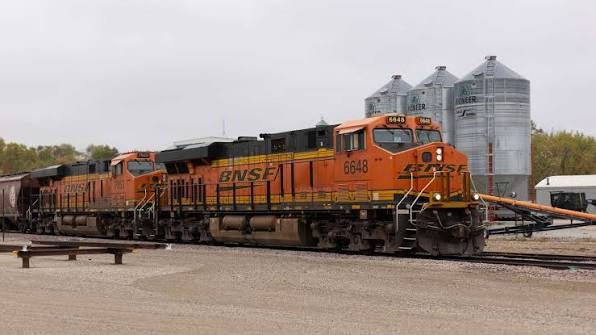
The American freight rail industry is enjoying its strongest run of volume in years, even as the sector braces for a merger that could redraw the national map.
Total U.S. rail traffic for the week ending June 13 reached 520,406 carloads and intermodal units, a 7.2 percent jump year over year, according to the Association of American Railroads. Intermodal led the charge, climbing nearly 11 percent to 289,447 units, while carloads rose 2.8 percent on gains in grain, metallic ores and nonmetallic minerals. The numbers extended a streak that has seen weekly volumes more than double their year-to-date growth pace, lifted by improving industrial output and steady import flows.
Hanging over the recovery is the proposed $85 billion combination of Union Pacific and Norfolk Southern, which would create the first true transcontinental railroad in U.S. history. The Surface Transportation Board granted conditional acceptance of the revised application earlier this month while pressing both carriers for additional information. Union Pacific chief executive Jim Vena has insisted the company can finance the deal without federal support.
Agricultural shippers are unconvinced. A coalition of agricultural retailers warned that approval would leave them whipsawed by higher freight rates and degraded service, echoing the broader anxiety among captive shippers who fear reduced competition on key lanes.
The week also delivered a stark reminder of operational risk. A Union Pacific derailment around midnight in Wichita damaged two support columns of a bridge carrying Interstate 135 over the railroad's yard, forcing the closure of the northbound highway for much of the day.
For an industry posting its best traffic figures in memory, the question is no longer whether freight is moving. It is who will control the tracks it moves on.


Comments