

Ship by ship, the boxes are creeping back to Suez, and that is the industry's next problem
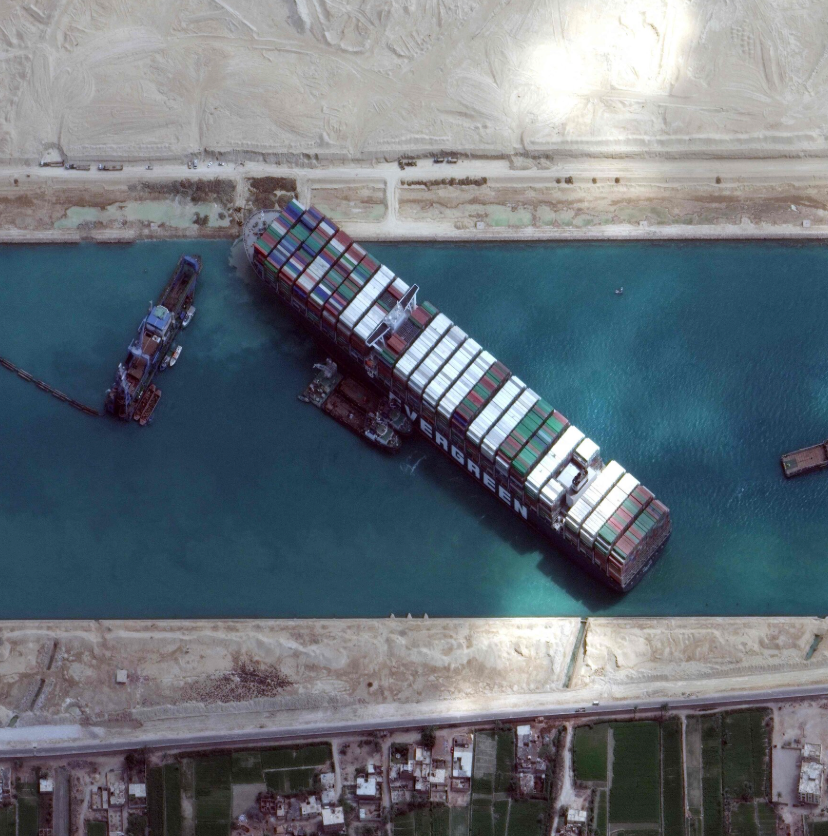
Nearly two years after Houthi attacks emptied the Red Sea of container ships, the traffic is trickling back, and every returning vessel brings the industry's oversupply reckoning a little closer.
This week Maersk routed another service back through the Suez Canal, its fourth to switch since early July, even as nine of its services continue the long detour around Africa. The move came as one of CMA CGM's largest ships, with capacity for 24,000 containers, made the first southbound Suez transit on its Asia to north-west Europe service since January. CMA CGM has been the most committed of the majors, logging more than 100 canal journeys in the first five months of the year, while Maersk and Hapag-Lloyd have moved cautiously, having tried once in February and pulled back when the US-Iran fighting flared.
Both Hapag-Lloyd and the analysts at Drewry were quick to stress that this does not yet signal a wholesale return. Security remains the governing variable, war-risk insurance premiums would spike again if attacks resumed, and the reopening remains a service-by-service judgement rather than an industry decision. For now, the corridor is neither closed nor fully open.
The stakes lie in the arithmetic of distance. Sailing via the Cape of Good Hope instead of Suez adds roughly two weeks to an Asia-Europe voyage, which soaks up ships and effectively shrinks the global fleet. That artificial scarcity has propped up freight rates through the diversion. Unwind it, and all that absorbed capacity floods back into a market already braced for a wave of newbuild deliveries in 2026.
For shippers the shorter transit is a clear gain. For carriers it is a slow-motion threat. The Red Sea detour has been the invisible hand supporting rates for two years. Ship by ship, that support is now sailing back through the canal.


Comments