

Washington Keeps China Ship Fees on Ice as Freight Shock Hits US Crude Exports
The Trump administration moved last week to keep its port fees on Chinese-linked ships suspended into the new year. Meanwhile, record tanker costs are threatening to choke off one of America’s most lucrative energy export routes.
The Office of the US Trade Representative proposed extending the suspension of its fees on Chinese-owned, Chinese-operated and Chinese-built vessels by two months, to Jan. 9, 2027. The current pause expires on Nov. 9. USTR said it is “continuing to engage with China” on the practices targeted by its investigation. Public comments are due by Oct. 30.
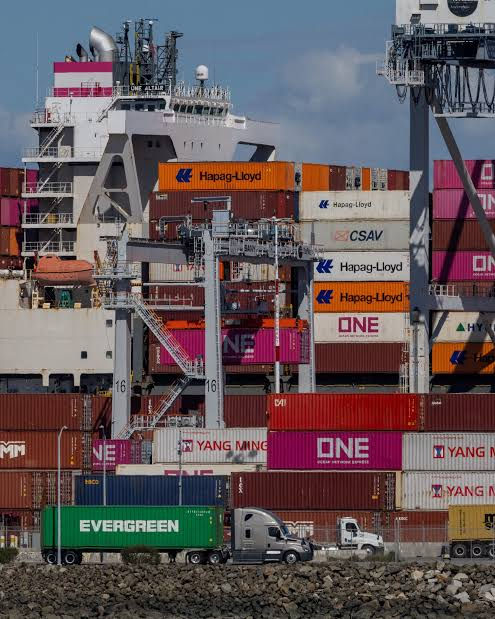
The fees were put on hold under the trade truce struck between President Donald Trump and Xi Jinping in South Korea last year, and Beijing suspended its own retaliatory charges on US-linked ships at the same time. Container line ACL welcomed the extension, saying the fees would hit its US export business. Maritime unions and some lawmakers have pushed for the charges to be reinstated to support domestic shipbuilding.
On the energy side, soaring freight costs are pricing US crude out of Asia. Hiring a supertanker from the US Gulf Coast to China cost about $60 million last week, according to Baltic Exchange figures. That is down from a record of nearly 80 million dollars earlier this month, but far above the average of under 8 million dollars in the five years before the conflict with Iran began in February.
Asian refiners cut orders for November delivery by about half from the previous month, to 24 million to 26 million barrels, traders said. If that pace holds, shipments would fall to a seven-year low, based on Kpler and Vortexa ship-tracking data.
“The main story right now in the market is freight rates,” said Randy Hawkins, head of oil trading at Valero Energy Corp.


Comments