

United's Flight Attendant Scandal Exposes the Hidden Cost of Seniority
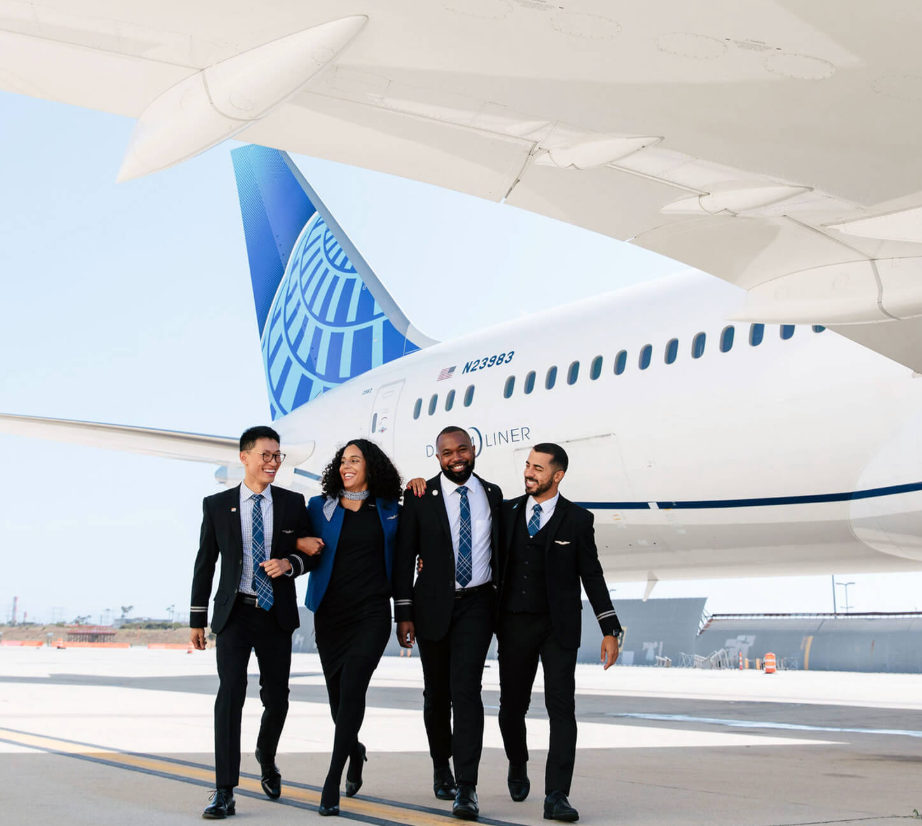
United Airlines' decision to reportedly fire a number of senior flight attendants accused of selling trips to their colleagues shines a spotlight on a much larger issue at the heart of airline labour negotiations: whether seniority-based systems, fiercely protected by unions, are still the fairest way to allocate work.
According to reports, experienced flight attendants allegedly secured highly desirable international destinations like Paris or Rome through United's seniority-based bidding process before transferring those trips to junior colleagues in exchange for cash or other benefits. The practice, often referred to within the industry as "trip parking", involves senior employees bidding for desirable assignments without intending to work them.
United allows flight attendants to trade trips and days off through approved scheduling systems, but the airline prohibits employees from using their bidding privileges to create a personal side business. United has reportedly warned staff about the practice for years and previously introduced software designed to identify suspicious trip trades.
The issue is not new. In 2020, United terminated 28 veteran flight attendants over alleged trip parking violations. One former employee, Anna Palova, later sued the airline, claiming age discrimination, with the case still ongoing.
Seniority Creates Winners and Losers
Airline unions have historically defended seniority as the fairest way to assign schedules. It removes management discretion, reduces accusations of favouritism and rewards long service.
However, seniority also creates an uneven playing field. The most experienced flight attendants gain priority access to premium international routes, holiday schedules and lucrative multi-day pairings, while junior crew members are left competing for whatever remains. On paper, the system rewards loyalty. In reality, it can leave newer employees waiting years before they have meaningful access to the most desirable work.
A Challenge for Unions
The controversy comes shortly after United flight attendants ratified a new deal, following 6 years of negotiations delivering significant pay rises, retroactive compensation and scheduling improvements. However, while the agreement increased compensation and improved working conditions, it did not address the seniority system that determines who receives access to the most desirable destinations.
The Association of Flight Attendants-CWA (AFA) has made clear it intends to challenge the firing of staff. In a memo to members, the union said it would "push back on every case" and seek reinstatement where appropriate, arguing that United must prove wrongdoing rather than rely on assumptions.
"We demand a proper investigation, we demand a proper notice of this new reality, we demand a decision be made on fact and not suspicion, and we demand progressive discipline be adhered to when and ONLY IF wrongdoing is truly established."
The challenge for unions is that they are caught between competing interests. Senior members are often the most influential voices within a union and have benefited the most from long-established seniority rules. Junior employees, meanwhile, are the ones most affected by a system that can leave them waiting years for access to the best schedules and opportunities.
United is not the first airline to confront this issue. Similar concerns over the trading of desirable trips have emerged elsewhere in the industry, including at American Airlines, where the practice has also led to increased scrutiny and disciplinary action.
The question now is whether airlines and unions will continue defending a system that rewards seniority above all else, or whether they will consider reforms that provide junior employees with greater access to desirable flying. For now, the conflict remains unresolved: airlines can punish those who misuse seniority, but unless the underlying system is examined, the incentives that encourage these practices will remain.


Comments