

Tariffs Land, The Canal Narrows, And Nobody Is Talking About Demand

Two things hit American importers this week, and neither has anything to do with how much cargo anyone wants to move.
The first is a tariff wall. Fifty per cent duties on Canadian goods falling outside USMCA take effect today, and Washington is widely expected to raise duties on Chinese imports before a Trump-Xi meeting anticipated later this month. Importers are being asked to price landed cost against a schedule that could change twice before their boxes reach a berth.
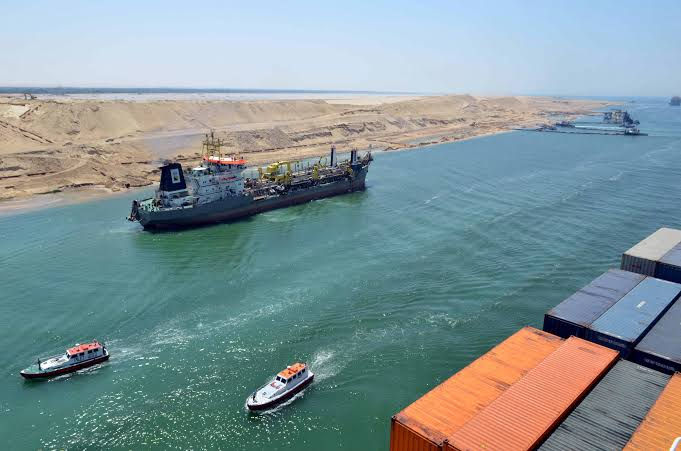
The second is water. The Panama Canal began applying lower permitted draughts and fewer daily transits at the start of September. Analysts estimate the new limits touch around 45 per cent of Neopanamax transits, covering roughly 55 per cent of the container capacity moving through the larger locks. The immediate effect is not fewer ships but lighter ones, which is the more insidious version of the same problem: carriers pay the same to transit and carry less through.
The knock-on is already visible. Asia to US East Coast capacity fell 9 per cent month on month in August. Typhoons piled congestion onto Asian ports on top of it. Rates have gone sideways rather than spiking, which tells you the market is being squeezed from the supply side rather than pulled by demand.
Cargo is beginning to move accordingly. Shippers are shifting boxes to Los Angeles and Long Beach and railing them inland, with intermodal volumes up 7.4 per cent year on year in the first half.
That is the story worth watching. A West Coast pivot driven by a canal and a tariff schedule, not by a buying surge, is a routing decision made under duress. Those tend to unwind badly when the constraint lifts, and everyone has to move at once.


Comments