

FAA Hands $875m AI Bet to a Boston Startup, Snubbing Palantir and Thales
- Jun 23
- 1 min read
In a procurement decision that doubles as a statement of intent, the Federal Aviation Administration this week awarded a 12-year, $875m contract to Air Space Intelligence, a Boston startup, to build the artificial intelligence system that will reshape how America manages its skies.
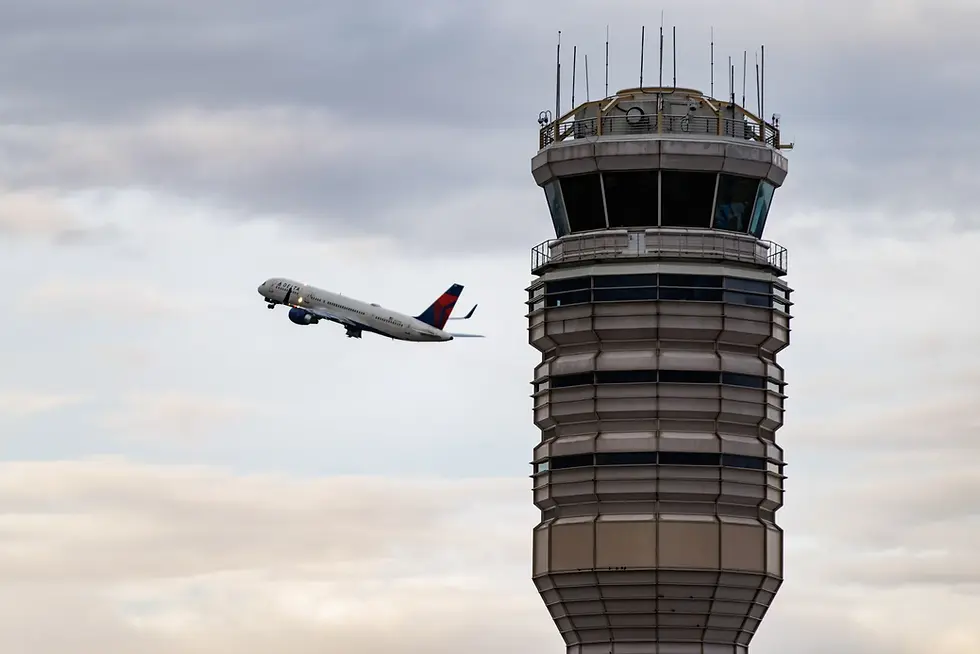
The deal, announced Monday by Transportation Secretary Sean Duffy and FAA Administrator Bryan Bedford, covers a platform known as SMART, short for Strategic Management of Airspace, Routes, and Trajectories. The system is designed to predict congestion days, weeks and even months in advance by crunching airline schedules, weather, airport capacity and airspace restrictions, shifting traffic management from reactive firefighting to advance planning.
The upset is in who won. ASI, a company of roughly 150 staff, beat the software heavyweight Palantir and the air traffic veteran Thales, both far larger and more entrenched in government work. The startup's pitch was that its Flyways platform already operates at scale across US carriers and the military, sparing the agency the years of custom development that have plagued past efforts. Officials are pointedly aware that NextGen, the FAA's last marquee modernisation drive, was reportedly only 16 per cent complete after 15 years and $7.5bn.
Duffy framed the award in sweeping terms, saying it would fundamentally reshape airspace management and cut thousands of delays and cancellations. Airlines for America welcomed the move while maintaining its safety caveats.
Carriers are not uniformly relaxed. Airlines have privately pressed the FAA for months over how SMART will decide which flights get moved when conflicts arise. Initial operations are slated to begin this autumn, putting the agency's ambitions to an early test.


Comments